
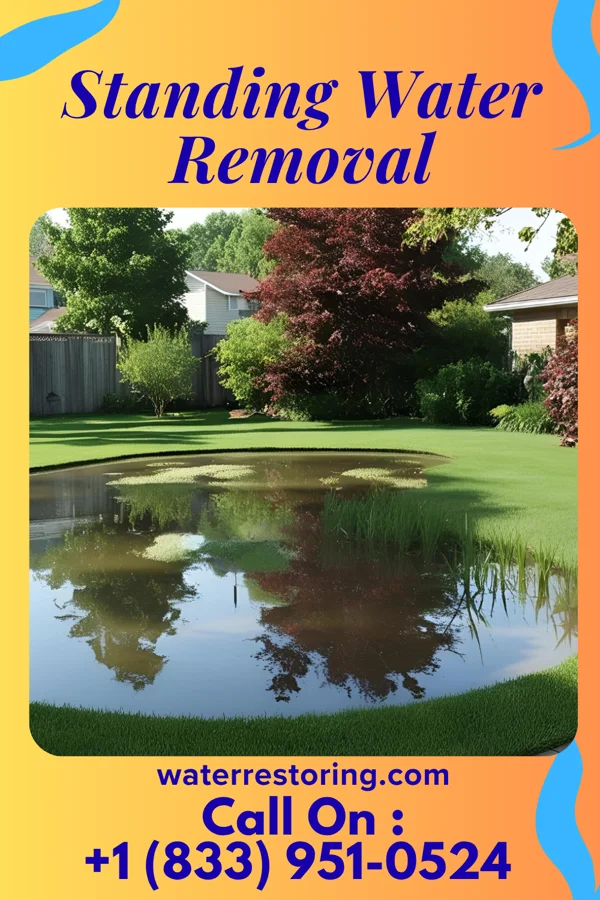
What Makes St. Charles Standing-Water-Prone
Living in St. Charles means dealing with In St. Charles, South Dakota, the primary water damage cause is often due to sudden plumbing failures, such as burst pipes or leaking water heaters, especially in older homes. Additionally, seasonal rainfall and occasional flooding from nearby streams can lead to water intrusion in rural properties. sooner or later. A close second is Secondary causes include sewer backups from the nearby Herrick and Bonesteel areas, as well as water damage from agricultural runoff during heavy rains. Improperly maintained septic systems in the Naper area also contribute to localized water issues.. The good news: water damage is fully recoverable when you catch it fast and bring in certified technicians.
St. Charles experiences a continental climate with cold winters and warm summers, which can lead to frozen pipes and thawing ground, increasing the risk of water damage. The region's low humidity also means that once water is present, it can dry out quickly, but mold can still form if not addressed promptly.
Most standing water removal calls in St. Charles come from In St. Charles, South Dakota, the primary water damage cause is often due to sudden plumbing failures, such as burst pipes or leaking water heaters, especially in older homes. Additionally, seasonal rainfall and occasional flooding from nearby streams can lead to water intrusion in rural properties.. Running a close second is Secondary causes include sewer backups from the nearby Herrick and Bonesteel areas, as well as water damage from agricultural runoff during heavy rains. Improperly maintained septic systems in the Naper area also contribute to localized water issues.. Local mold risk: In St. Charles, mold can develop within 48 hours of water exposure, especially in older homes with poor insulation. The rural setting means that mold can spread more easily through ventilation systems and into nearby structures.
For public guidance on the health effects of mold after prolonged water exposure, see the EPA mold and health page.